Walking Together: History, Memory, and Shared Humanity
Long Journey Home is a Healing History Retreat inviting journey partners to bear witness to the history of the relationships forged between the Black and Jewish Communities beginning in 1909 through the Civil Rights era. Grounded in the Courage & Renewal® approach, we will engage in sacred listening, reflection, and meaningful encounters to explore lived experience, deepen understanding, and reflect on how our shared humanity can guide the way we walk together.
Why We Journey
History lives not only in books and museums, but in landscapes, communities, memories, and relationships.
Together we will explore places where people suffered, resisted, persevered, and dreamed of freedom. We will learn from local historians and community leaders. We will engage the intertwined histories of African Americans and Jews—communities whose stories reveal both profound pain and remarkable resilience.
We will walk together through places that challenge us to remember honestly, reflect deeply, and imagine more courageously.
Using practices drawn from Circle of Trust®, Art of Hosting, and Worldview Intelligence, participants will be invited into thoughtful dialogue, personal reflection, and meaningful relationship-building.
This is not a tour.
It is a pilgrimage of memory, relationship, and hope.
It is an invitation to walk together.
Long before the world witnessed Black and Jewish leaders walking together across the Edmund Pettus Bridge, friendships and partnerships were taking root—building schools, confronting injustice, and affirming one another’s dignity. Among these was the friendship between Black educator Booker T. Washington and Jewish philanthropist Julius Rosenwald, whose partnership began with funding for six schools in rural Alabama in 1912 and grew into a community-supported effort that helped build nearly 5,000 schools for African American children throughout the South. From the founding of the NAACP in 1909 to the courageous work of the Civil Rights Movement, the Black–Jewish alliance carries a history deeper than many of us know.
Gathering during the historic Selma Jubilee weekend, our Long Journey Home Healing History Retreat invites us to walk this sacred ground as journey partners—to bear witness, retrieve the lessons of those who came before us, and consider how we will carry this unfinished legacy of courage, reciprocity, and shared humanity into our communities today.
Joining Lori, as co-facilitator for this journey is Dave Ellis. Dave is an internationally recognized expert in the field of trauma and generational trauma of the African American Community. He is a respected Community Consultant, and a Master Trainer for the Art of Hosting and World View Intelligence.
Essential Questions for the Retreat
What can we learn from the Black–Jewish partnerships that helped advance education, civil rights, and human dignity?
How do we honor the complexity of our shared histories while making room for truth, grief, courage, and hope?
What does it mean to walk as journey partners across lines of race, faith, culture, and lived experience?
How can we recognize both the differences among us and the shared humanity that connects us?
What responsibilities do we carry when we witness injustice, remember history, and inherit unfinished work?
How might this retreat transform the way we listen, build relationships, and act together when we return home?
Tools for Building Relational Trust and Connection
This Retreat is rooted in the Courage & Renewal® approach – engaging with our inner wisdom
through the eyes of history, poems, music, and lived experiences.
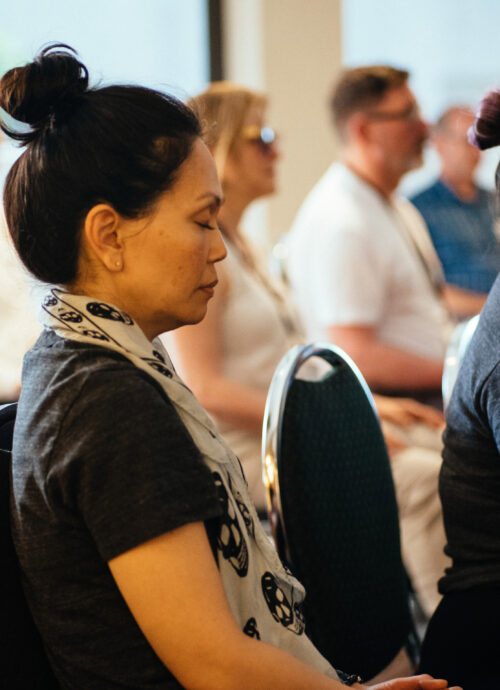
We will reflect and share in small groups and our circle community.
The retreat offers practices that help participants move beyond shared ideas toward genuine relationship. These tools are intended to uplift shared humanity, deepen understanding, and strengthen the unity needed for continued work after the retreat.
1. Storytelling and Deep Listening
Participants are invited to share personal, family, cultural, and spiritual stories connected to identity, justice, belonging, and hope. Others practice listening without interruption, correction, or the need to immediately respond.
Benefit: Storytelling humanizes history and allows participants to encounter one another as whole people rather than as representatives of a group. Returning home, participants are better prepared to listen across difference and build relationships rooted in empathy and respect.
2. Shared Agreements for Brave and Respectful Dialogue
The group establishes agreements such as speaking from personal experience, listening to understand, honoring confidentiality, making room for every voice, asking questions with humility, and remaining open to repair when harm occurs.
Benefit: Clear agreements create a container where honesty and vulnerability are possible. They help participants carry more respectful communication practices into congregations, organizations, families, and community partnerships.
3. Paired and Small-Group Reflection
Participants regularly engage in conversations with a partner or small group, using prompts that invite reflection on identity, memory, privilege, pain, responsibility, and hope.
Benefit: Smaller conversations make space for voices that may be less heard in a large group and allow trust to develop gradually. These practices can be replicated in local communities to deepen connection and reduce isolation.
4. Witnessing and Bearing Witness
At historic sites, participants are invited to slow down, observe, listen, and reflect on the people and events connected to the land. Bearing witness includes acknowledging both the courage that shaped history and the suffering that must not be forgotten.
Benefit: Shared witnessing creates a common emotional and moral experience. It strengthens participants’ capacity to remember responsibly and to respond to present-day injustice with greater clarity and compassion.
5. Naming Difference Without Losing Connection
The retreat makes room for honest conversation about race, religion, power, class, geography, political experience, and other differences. Participants are encouraged to name these realities without allowing difference to become a barrier to relationship.
Benefit: Unity becomes more authentic when it does not require sameness. Participants return with greater confidence in navigating difficult conversations while remaining grounded in mutual dignity.
6. Practicing Curiosity and Humility
Participants are encouraged to ask open questions, notice assumptions, seek context, and remain willing to learn from experiences different from their own.
Benefit: Curiosity interrupts defensiveness and creates opportunities for growth. It helps participants approach community relationships with less certainty, more openness, and a stronger commitment to mutual learning.
7. Rituals of Remembrance, Gratitude, and Hope
Through prayer, silence, music, reflection, or other shared rituals, participants honor ancestors, freedom fighters, educators, organizers, and ordinary people whose courage made change possible.
Benefit: Ritual connects personal experience to a larger story and helps transform grief into responsibility and hope into action. Participants return with practices that can sustain long-term engagement rather than one-time inspiration.
8. Repair and Reconciliation Practices
The retreat introduces ways to acknowledge harm, take responsibility, offer apology, listen to impact, and identify steps toward repair.
Benefit: Trust is not built by avoiding conflict but by learning how to move through it with integrity. These practices help communities remain connected when misunderstandings or tensions arise.
9. Shared Acts of Service and Commitment
Participants identify a concrete act of service, relationship-building, or justice work they will pursue after the retreat, individually or with others.
Benefit: Shared action turns connection into commitment. It gives participants a way to carry the retreat’s lessons into their communities and creates opportunities for continued partnership.
10. A Continuing Circle of Connection
Participants are invited to remain connected through follow-up gatherings, reflection calls, shared learning, or collaborative projects.
Benefit: Ongoing connection helps sustain the relationships formed during the retreat. It creates accountability, encourages mutual support, and strengthens a wider network committed to healing history and advancing shared humanity.
Together, these tools help participants move from learning about partnership to practicing it. They offer a pathway from remembrance to relationship, from relationship to shared responsibility, and from shared responsibility to greater unity in the communities to which each journey partner returns.